When you purchase through links on our site, we may earn a commission at no extra cost to you. Learn more.
Most “best dog” lists for seniors all look the same — and that’s the problem.
Table of Contents
They assume everyone wants a small, low-energy lap dog. But in real life, some people want a quiet companion, others want a reason to get out of the house, and some want a dog that plays well with the grandkids.
If you’re choosing a dog as you get older, the goal isn’t to find the most popular breed. It’s to find one that fits naturally into how you already live. This guide breaks down 15 of the easiest dogs to live with, grouped by lifestyle, so you can quickly narrow down what actually works for you.
Start Here: Find Your Perfect Dog in 30 Seconds
If you’re not sure where to start, this is the fastest way to narrow it down. Think about what you actually want your day with a dog to feel like, not just what looks good on paper.
- I want something easy and low-effort → Start with the Easy Living Dogs
- I want a reason to get out of the house → Look at the “Let’s Do Stuff” Dogs
- I want a dog that stays close to me → Go to the Sidekick Dogs
Pick Your Match: What Do You Actually Want Day To Day?
Most people don’t struggle to choose a dog because there are too many options. They struggle because they haven’t decided what they actually want their daily life to look like.
- “I want a dog that mostly relaxes with me” — You’ll likely prefer a calm, predictable, and low-demand breed.
- “I want a dog that keeps me on a routine” — A slightly more active, engaged breed can help you stay consistent.
- “I want a dog that goes everywhere with me.” — Look for smaller, adaptable dogs that handle new environments well.
- “I want a dog that really bonds with me.” — Some breeds are more independent. Others want to be with you constantly.
- “I don’t want something complicated” — Grooming, training, and energy levels matter more than most people expect.
There’s no single “best” dog for seniors. The right choice depends on how much time, energy, and interaction you want day to day.
Once you know that, the list below becomes much easier to navigate.
Top 15 Dog Breeds For Seniors
Not all seniors want the same dog, and that’s a good thing. Some want a calm companion who’s happy to nap nearby, while others want a reason to get outside every day.
These 15 breeds are grouped by how they fit into real life. Think about how you actually spend your day, not just what looks good on paper.
Top 5 “Easy Living” Dogs
Low effort, low stress, and happy to keep you company without demanding too much
These dogs are the easiest to live with day to day. They’re typically calm, adaptable, and content with a predictable routine. If you want companionship without a lot of upkeep or pressure, this is your starting point.
1. Bichon Frise
The Bichon Frise is one of the most reliably friendly dogs you can find. They’re social without being overwhelming and tend to adapt well to different living environments.
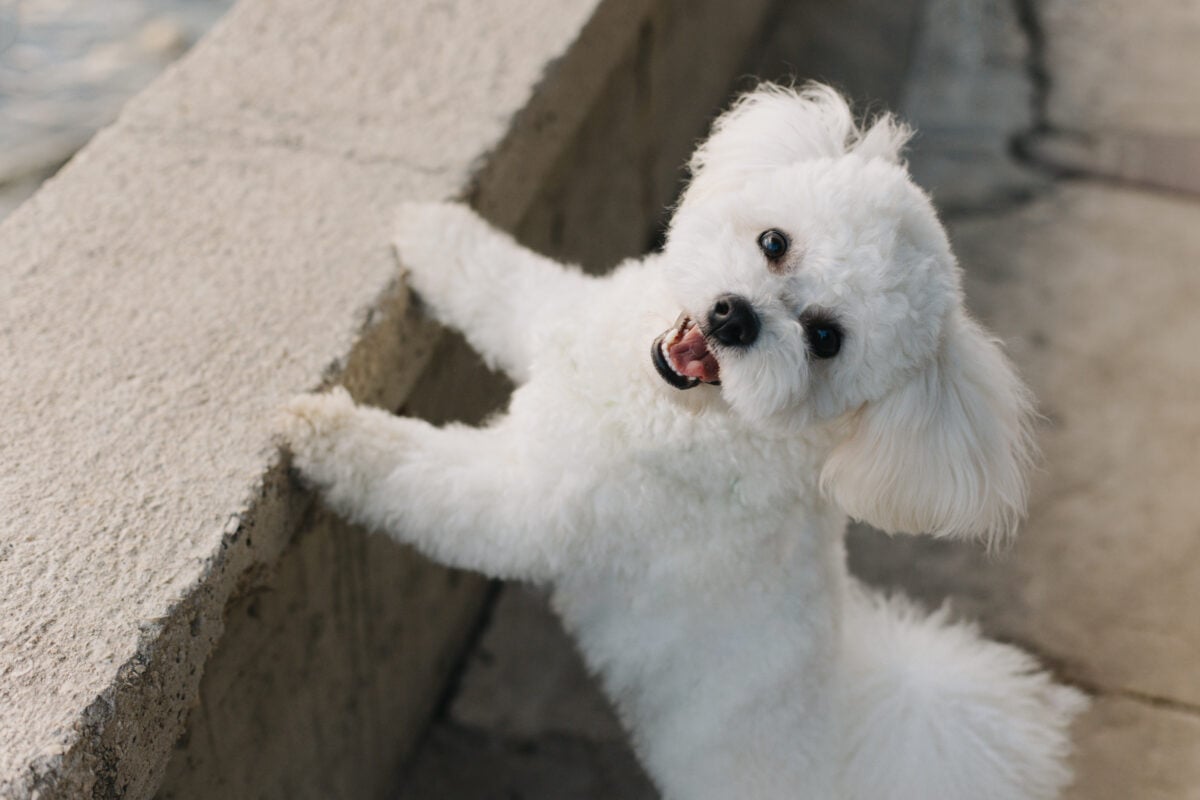
They enjoy attention but aren’t overly demanding, making them a great balance between affectionate and manageable.
At A Glance:
- Personality: Friendly, cheerful, affectionate
- Energy Level: Low to moderate
- Grooming Needs: High (regular brushing and trims)
- Social/Adaptability: Very adaptable, people-oriented
- Family Life: Great with visitors, family, and other pets
- Best For: Someone who wants a happy, social companion with predictable behavior
2. Japanese Chin
The Japanese Chin is quiet, calm, and almost cat-like in how they move and behave. They don’t need much exercise and are perfectly content indoors.

They’re less demanding than many companion breeds, making them a great fit for a relaxed lifestyle.
At A Glance:
- Personality: Quiet, loving, slightly independent
- Energy Level: Moderate
- Grooming Needs: Low to moderate
- Social/Adaptability: Adapts well to smaller homes
- Family Life: Best in calm environments
- Best For: Someone who wants a peaceful, low-key companion
3. Tibetan Spaniel
Tibetan Spaniels are independent but still affectionate, striking a nice balance between companionship and personal space. They’re known to be loving with their families and typically do well with children, while also maintaining a more observant, less demanding nature than many companion breeds.
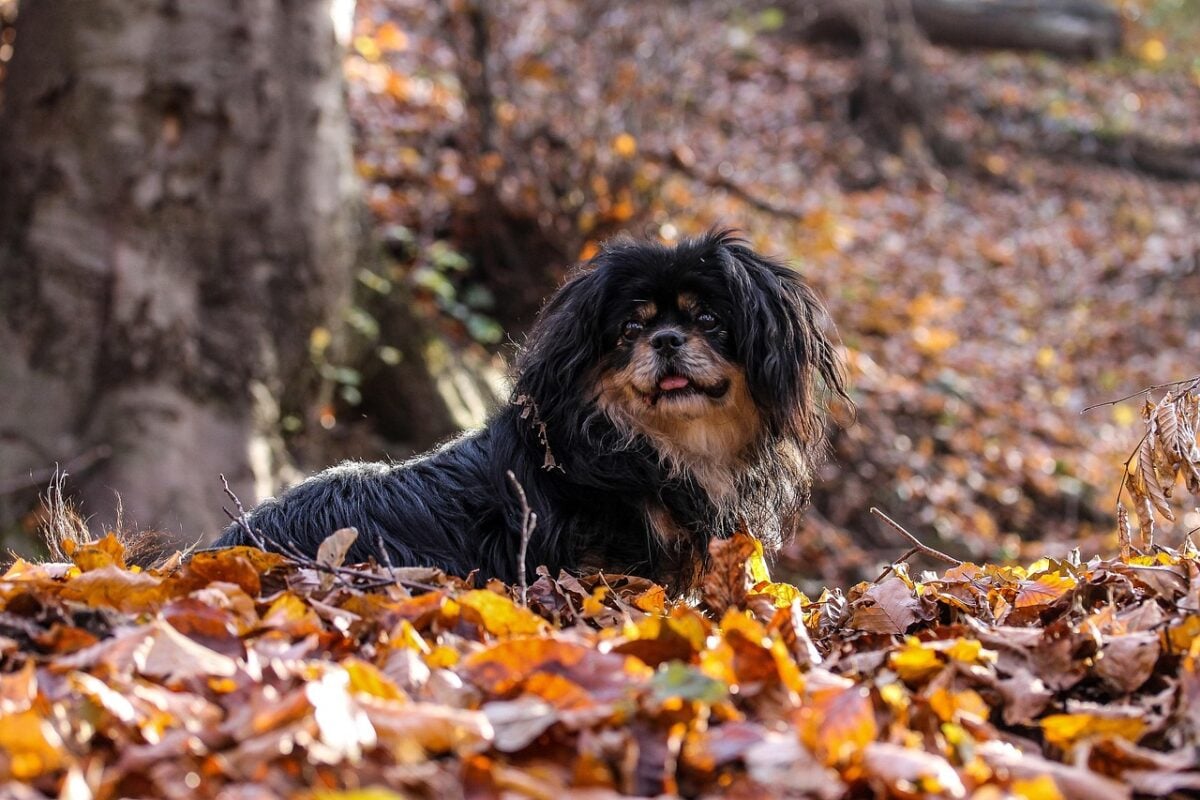
They can be slightly protective, but they’re also playful and generally open to meeting new people once they feel comfortable. They’re a great fit for someone who wants devoted companionship without constant interaction.
At A Glance:
- Personality: Independent, calm, intelligent
- Energy Level: Moderate
- Grooming Needs: Moderate
- Social/Adaptability: Adaptable but not clingy
- Family Life: Good with calm households
- Best For: Someone who prefers a more independent companion
Did You Know? Tibetan Spaniels are often considered one of the healthiest dog breeds, known for their longevity and overall resilience. If long-term health and lower maintenance are priorities, this is a breed worth a closer look.
4. Basset Hound
Basset Hounds are slow-moving, relaxed, and easygoing. They don’t require much exercise and are generally content with a steady routine.
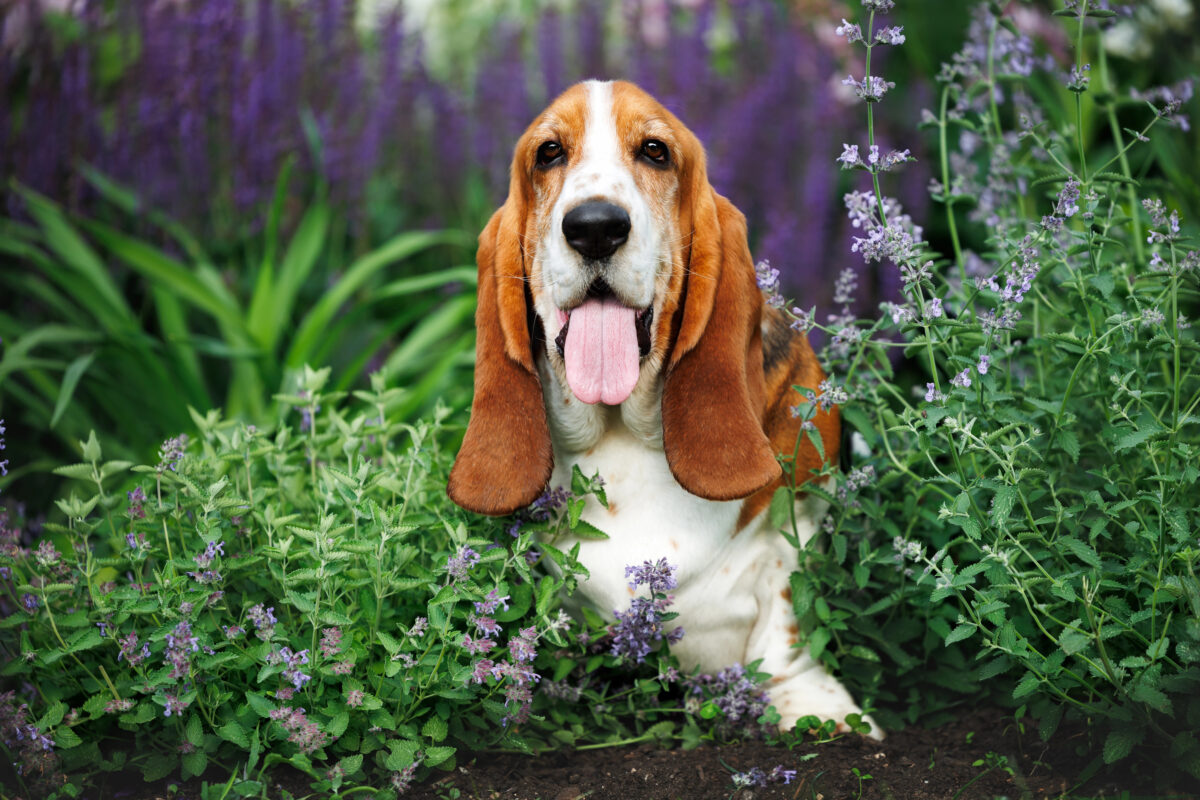
Their size is one consideration, and it’s also worth knowing that this breed is known for baying — a long, deep, melodic vocalization hounds use to communicate over long distances, often when they’ve picked up an interesting scent. It can be charming, but it’s something to keep in mind if you prefer a quieter dog.
At A Glance:
- Personality: Calm, laid-back, stubborn
- Energy Level: Low
- Grooming Needs: Moderate
- Social/Adaptability: May be more reserved around strangers, enjoys routine
- Family Life: Good with children and other dogs
- Best For: Someone who wants a low-energy dog and doesn’t mind vocalization
Did You Know? Basset Hounds aren’t just laid-back, they’re often considered one of the classic “lazy” dog breeds, built for slow, steady movement rather than constant activity. In fact, many low-energy breeds are happiest with short walks and long naps, making them a great fit for a more relaxed lifestyle.
5. Greyhound
Despite their size, Greyhounds are one of the calmest dogs you can own. Indoors, they’re often described as “couch potatoes.”
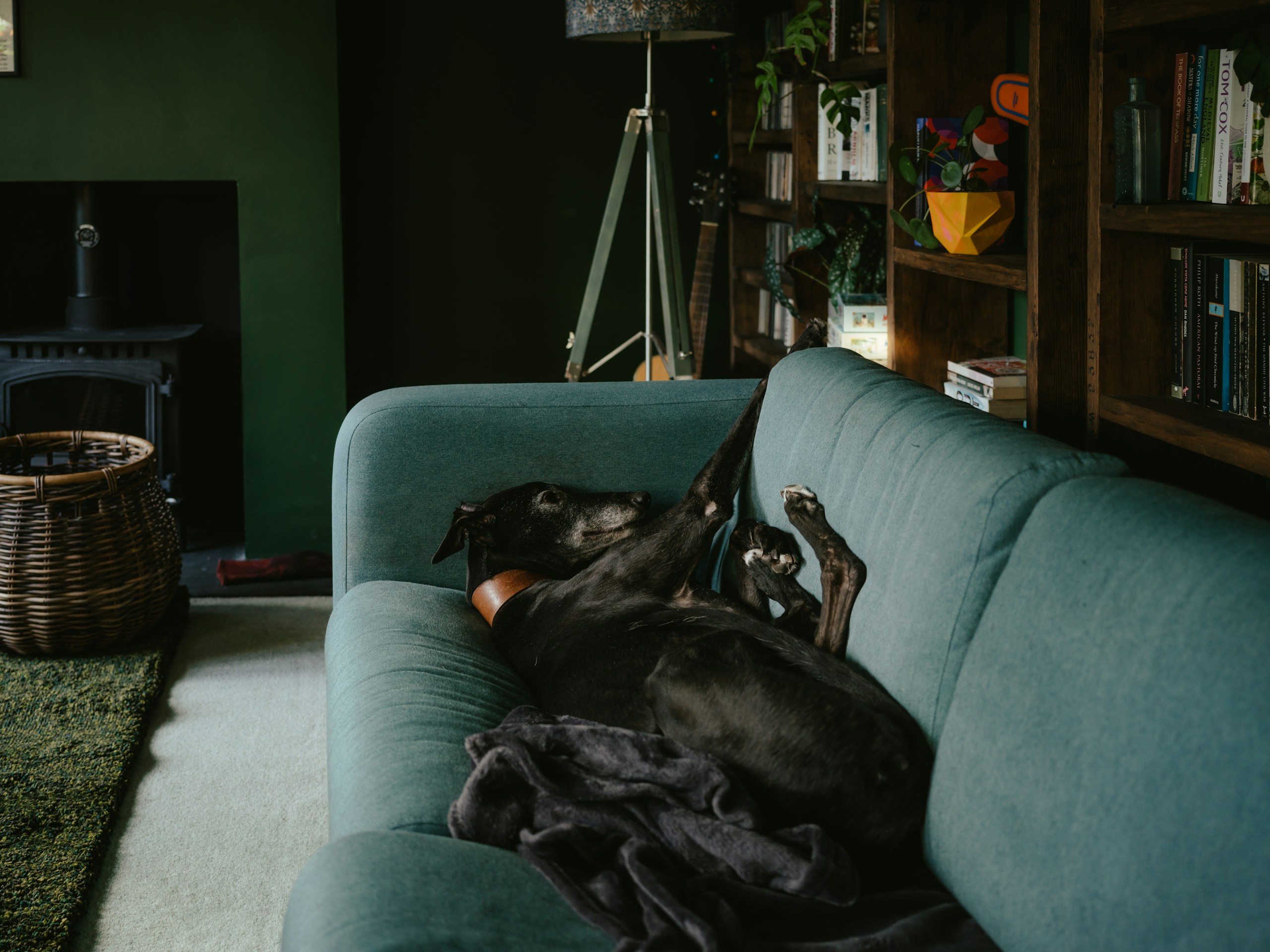
They require minimal grooming and are surprisingly easy to manage.
At A Glance:
- Personality: Gentle, calm, independent
- Energy Level: Moderate
- Grooming Needs: Very low
- Social/Adaptability: Easygoing
- Family Life: Good with calm households
- Best For: Someone who wants a larger but very low-effort dog
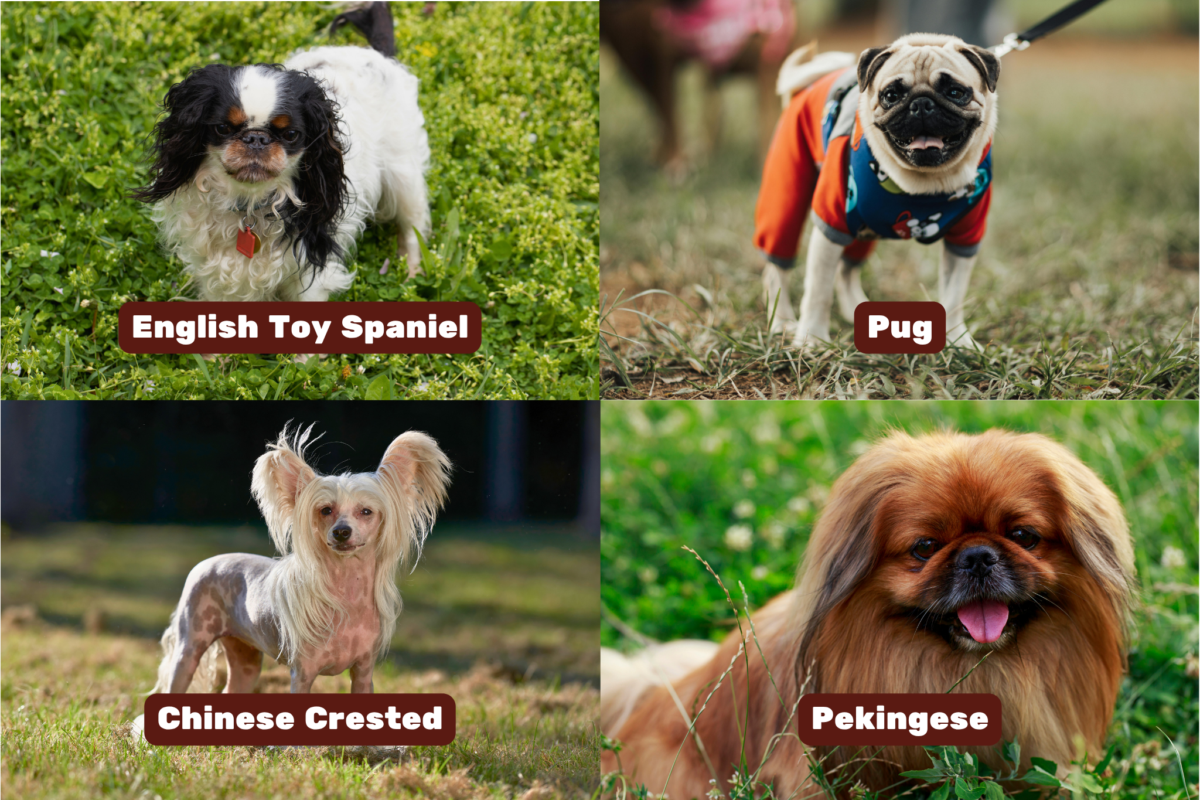
Looking For Similar Dogs? Consider These
- English Toy Spaniel — gentle and very affectionate, but can be stubborn
- Pug — low-energy and affectionate, but can come with higher health needs
- Pekingese — independent, slow-paced, and content with a relaxed routine
- Chinese Crested — low exercise needs, but requires skin care and attention
5 Manageable “Let’s Do Stuff” Dogs
Still easy to live with, but a little more interactive and engaging
These dogs are a great fit if you want a reason to stay active without taking on something overwhelming. They enjoy walks, training, and light activity, but they’re still very manageable day to day.
6. Boston Terrier
Boston Terriers are friendly, easy roommates. They’re playful without being overwhelming and generally adapt well to both active and relaxed lifestyles.
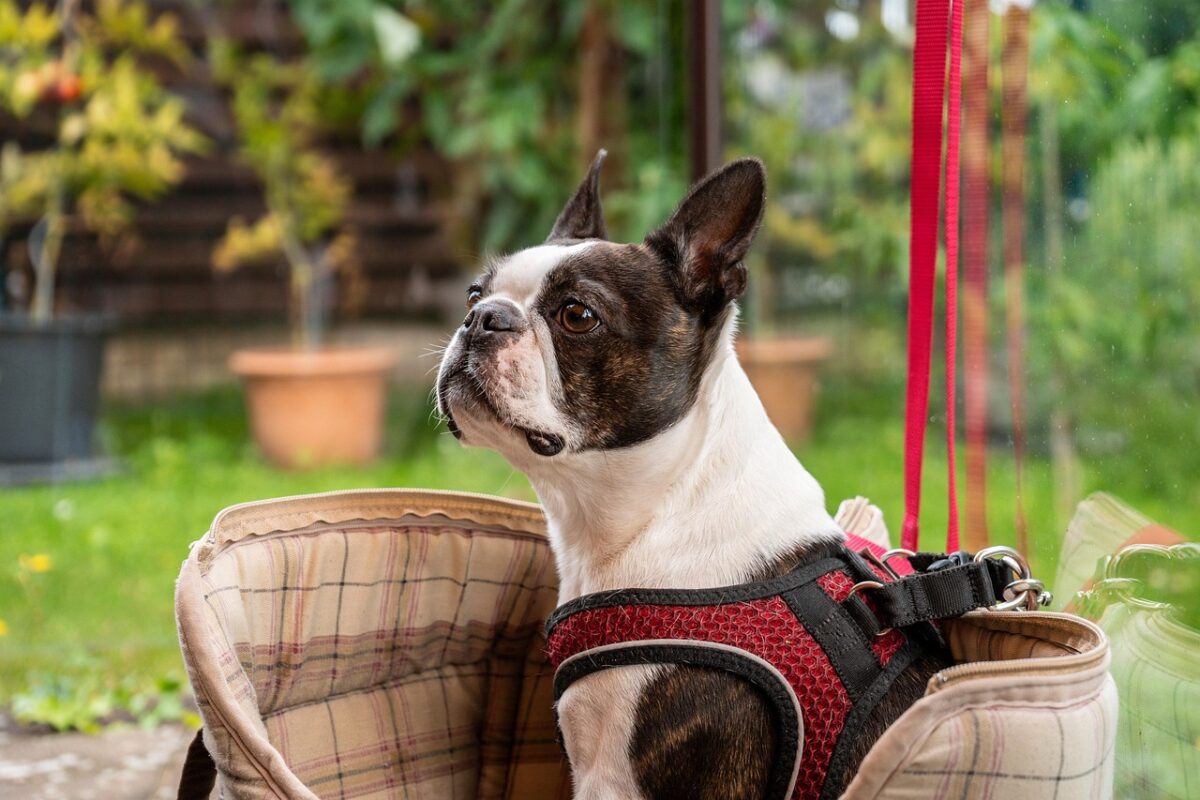
They’re one of the more low-maintenance options in this category.
At A Glance:
- Personality: Friendly, easygoing, playful
- Energy Level: Moderate to high
- Grooming Needs: Low
- Social/Adaptability: Friendly and adaptable
- Family Life: Great with people and social environments
- Best For: Someone who wants a low-maintenance, social dog
7. Miniature Schnauzer
Miniature Schnauzers are sturdy, alert, and a little more interactive than most small companion dogs. They’re a great middle ground between relaxed and active, especially for someone who enjoys a dog that’s engaged in daily life.
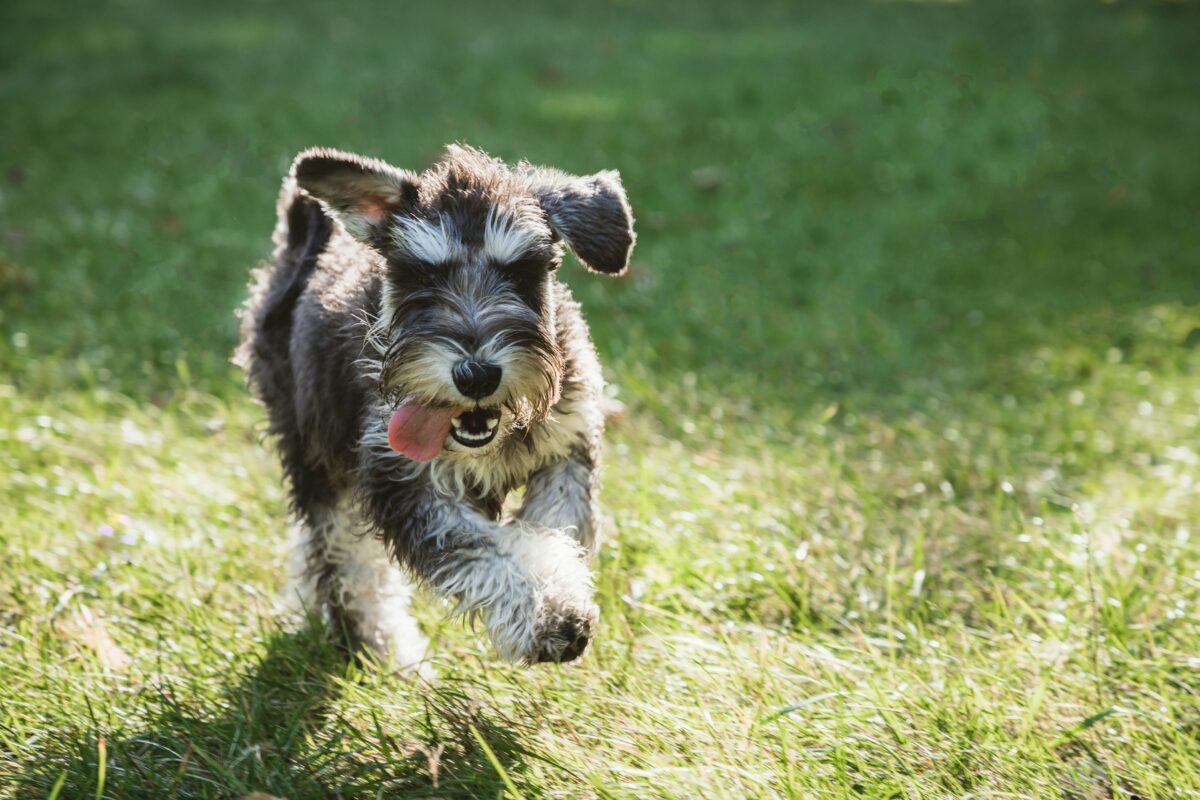
They’re highly trainable and tend to form strong bonds with their owners, often thriving when they have structure or a “job.” They do require more mental stimulation than many companion breeds, and they’re naturally vocal, which can be a plus for alertness but something to consider if you prefer a quieter home.
At A Glance:
- Personality: Friendly, smart, obedient
- Energy Level: Moderate
- Grooming Needs: Moderate to high (regular grooming needed)
- Social/Adaptability: Very adaptable, more reserved with strangers
- Family Life: Affectionate with family and good with children
- Best For: Someone who wants a trainable, engaging dog with lots of personality
8. Toy or Miniature Poodle
Poodles are one of the most trainable dogs you can choose. They’re smart, responsive, and adapt well to different lifestyles.
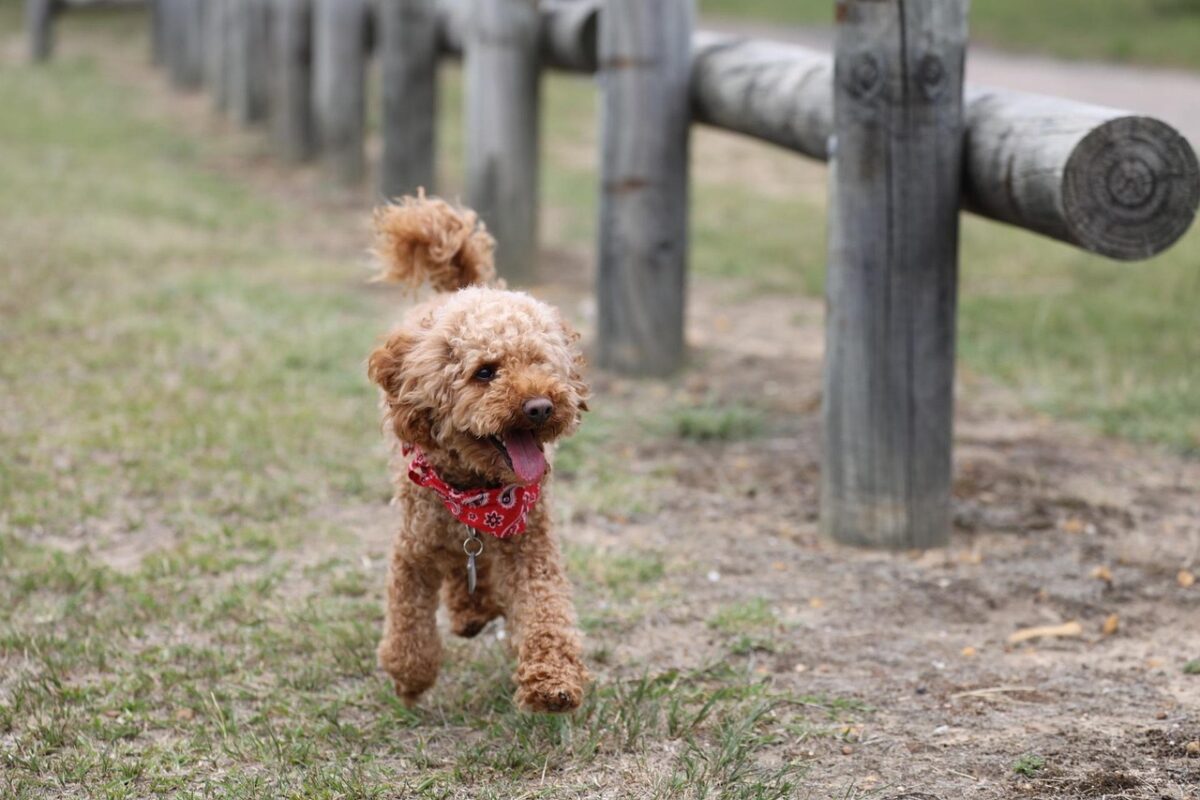
They do best when they have some level of mental engagement, even if it’s just basic training or routine walks.
At A Glance:
- Personality: Intelligent, athletic, confident
- Energy Level: Moderate to high
- Grooming Needs: High (regular trims required)
- Social/Adaptability: Adaptable, friendly with strangers
- Family Life: Affectionate with family and good with children
- Best For: Someone who enjoys a smart, trainable dog
Did You Know? Poodles consistently ranked among the smartest dog breeds in the world, often landing just behind the Border Collie for intelligence and trainability. Learn more about the most intelligent dog breeds.
9. Border Terrier
Border Terriers are small but sturdy and a bit more energetic than typical lap dogs. They enjoy walks and activity but aren’t extreme.
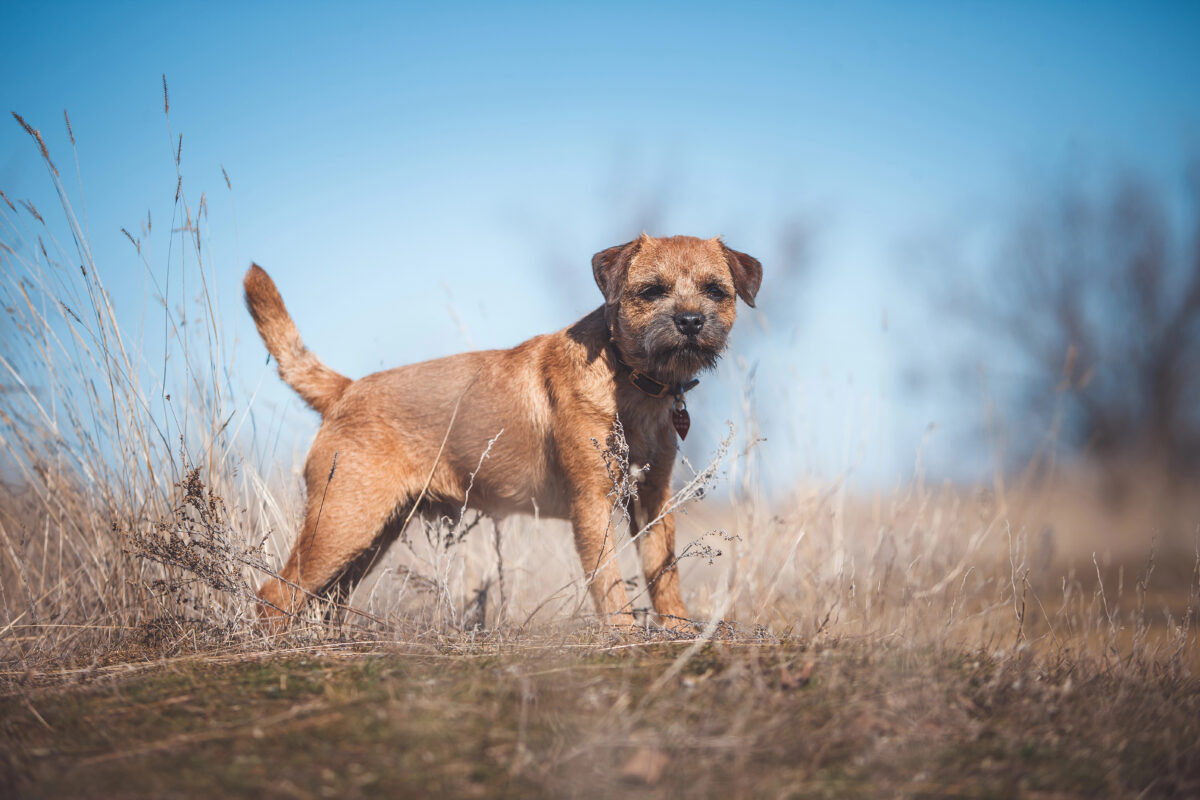
They’re a great option if you want something slightly more engaging without stepping into high-maintenance territory.
At A Glance:
- Personality: Happy, affectionate, feisty
- Energy Level: Moderate
- Grooming Needs: Low to moderate
- Social/Adaptability: Adaptable and friendly
- Family Life: Good with active households
- Best For: Someone who wants a small, active companion
10. Cavalier King Charles Spaniel
The Cavalier King Charles Spaniel is one of the most naturally companion-oriented dogs you can find. They’re gentle, affectionate, and tend to bond quickly, making them a good fit for many households.
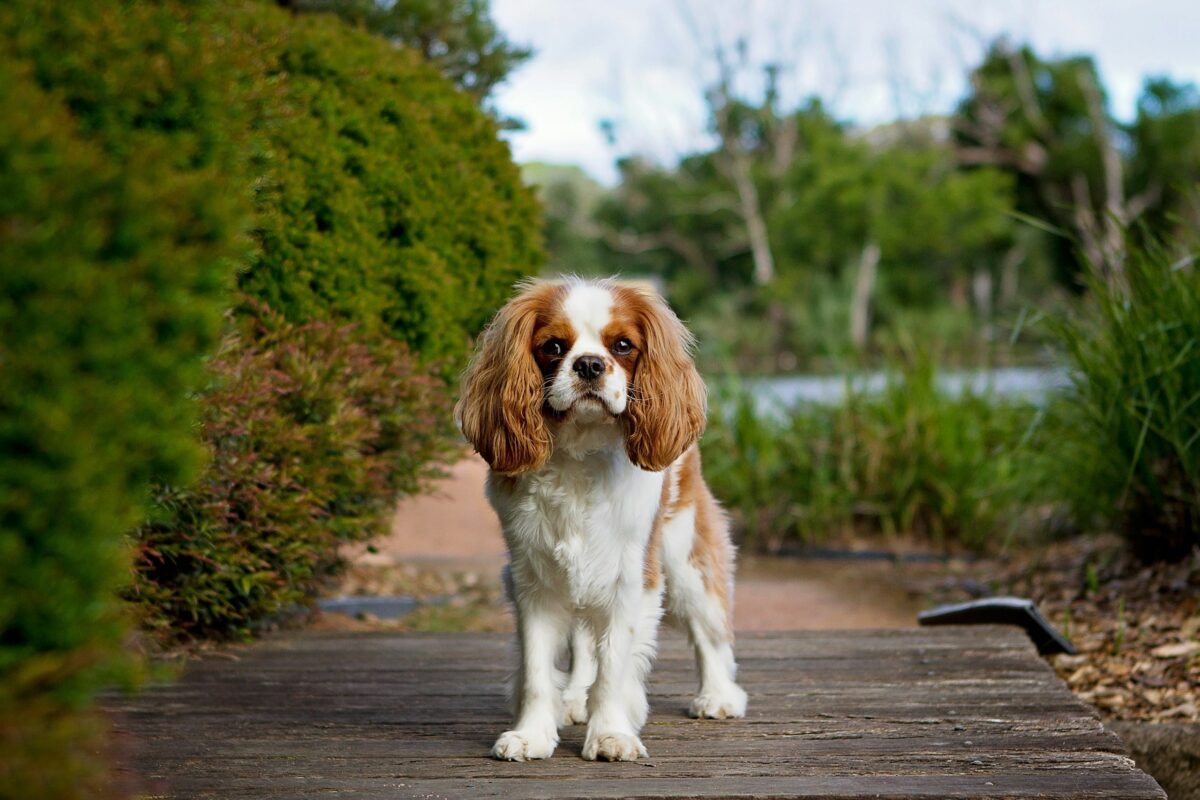
They’re also incredibly adaptable. Cavaliers are just as happy curling up on the couch as they are joining you for a walk or a casual outing, which makes them one of the most flexible dogs on this list.
At A Glance:
- Personality: Affectionate, gentle, eager to please
- Energy Level: Moderate
- Grooming Needs: Moderate
- Social/Adaptability: Adaptable and open to strangers
- Family Life: Excellent with family, young children, and other pets
- Best For: Someone who wants a friendly, easygoing dog that can switch between relaxing and light activity
What To Know: Cavaliers have one of the best temperaments of any breed, but they also come with higher-than-average health risks, particularly heart conditions that can develop earlier in life. If you’re okay with being a bit more proactive about health, the payoff in companionship is hard to beat.
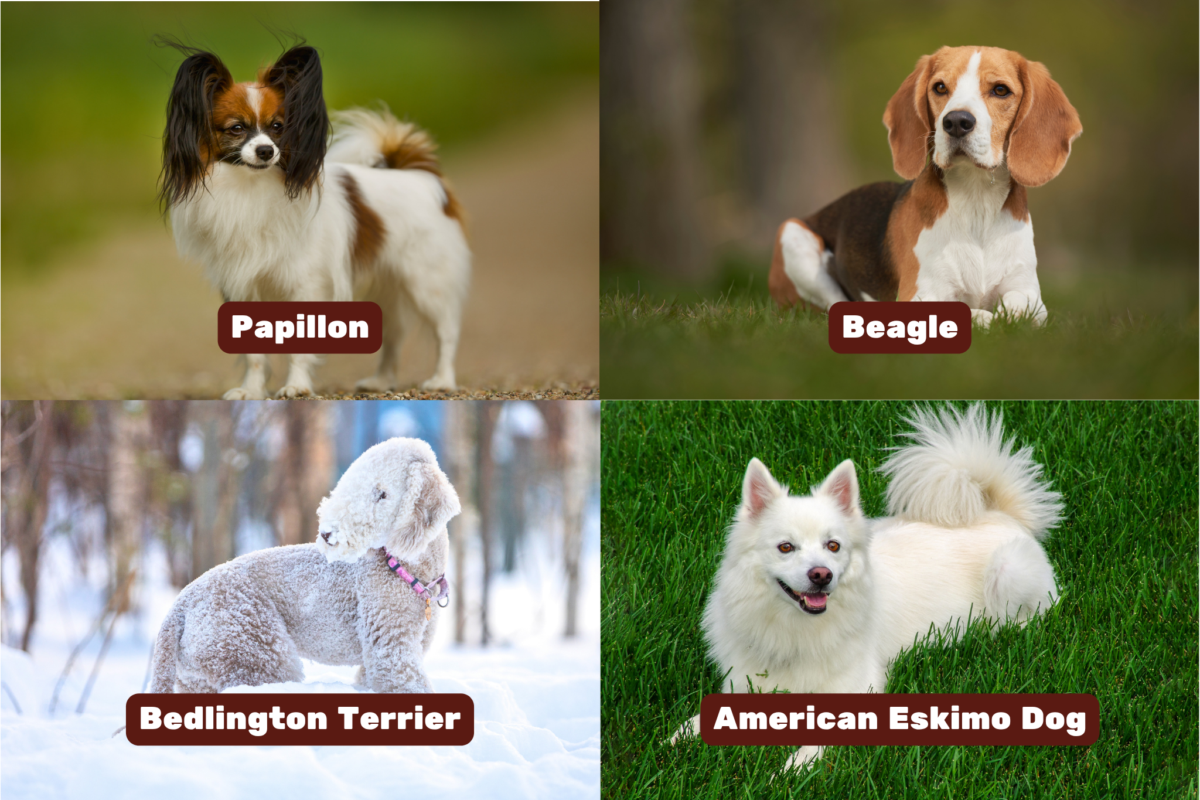
Want A More Active Breed?
- Papillon — small, intelligent, and more active than most companion breeds
- Beagle — friendly and social, but more vocal and scent-driven
- Bedlington Terrier — unique look with a bit more energy and independence
- American Eskimo Dog — smart and playful, but needs more engagement
5 Best “Sidekick” Dogs
Close companions that fit seamlessly into your daily life
These dogs tend to bond closely and follow your lead. Whether you’re running errands, relaxing at home, or visiting friends, they integrate easily into your routine.
11. Havanese
The Havanese is one of the most easygoing companion breeds. They’re affectionate, trainable, and generally happy to match your pace.
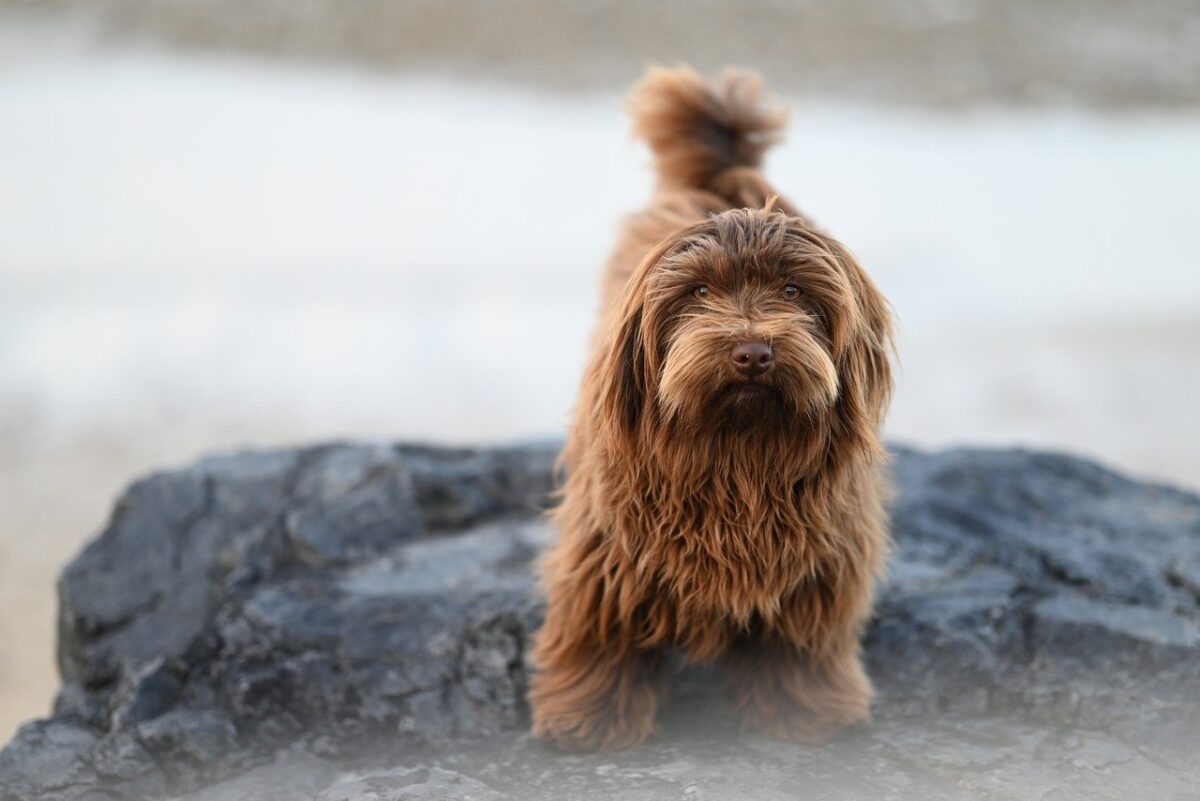
They’re social without being overly intense, which makes them a great everyday companion.
At A Glance:
- Personality: Friendly, intelligent, easygoing
- Energy Level: Moderate
- Grooming Needs: Moderate
- Social/Adaptability: Very adaptable and people-focused
- Family Life: Great with guest, children, and pets
- Best For: Someone who wants a friendly, flexible companion
12. Maltese
The Maltese is a true lap dog. They’re happiest close to their person and don’t require much exercise to stay content.
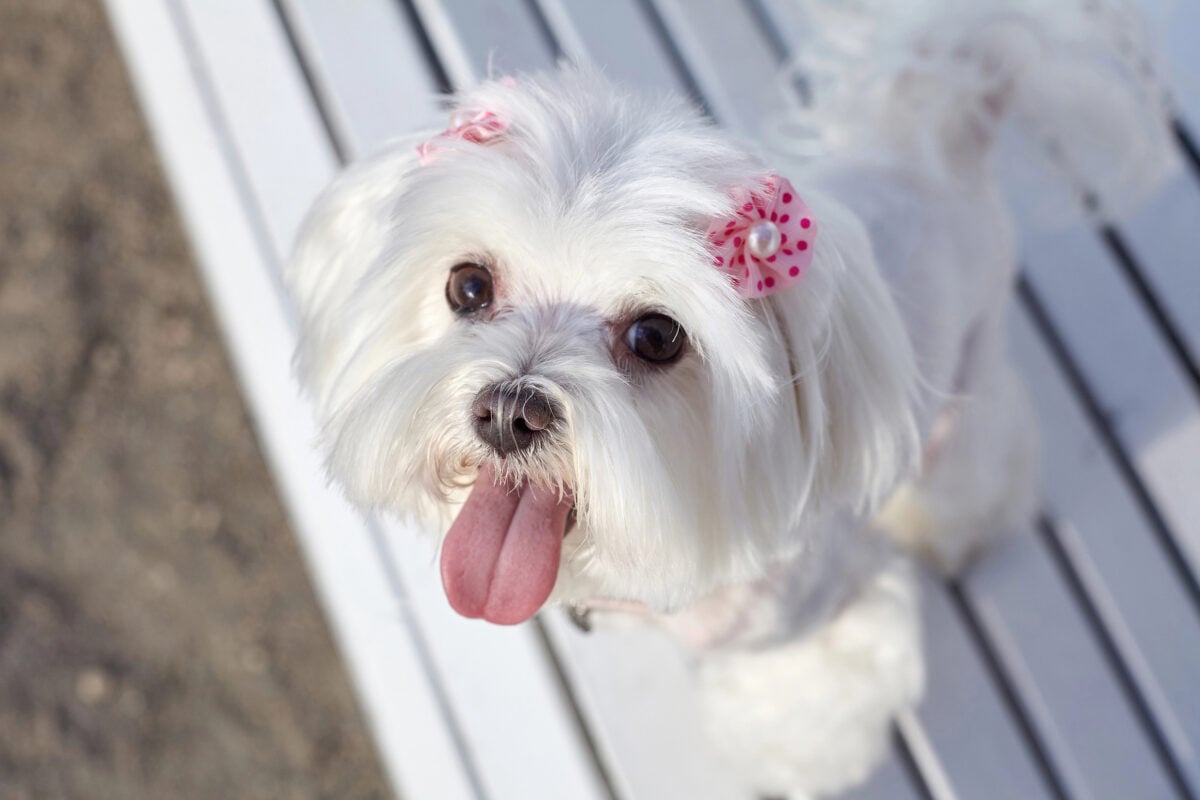
Despite their delicate appearance, they’re surprisingly lively in short bursts, then settle right back into relaxation mode.
At A Glance:
- Personality: Gentle, playful, devoted
- Energy Level: Moderate
- Grooming Needs: High (or moderate if kept in a short cut)
- Social/Adaptability: Strong one-person bond, adaptable to small spaces
- Family Life: Best in calmer households
- Best For: Someone who wants a loving, devoted companion
Did You Know? Maltese dogs are known for their silky, continuously growing hair, which means you can experiment with different haircuts — from low-maintenance “puppy cuts” to longer, more elegant styles. For many owners, grooming becomes part of the fun.
13. Coton de Tulear
The Coton de Tulear is known for being deeply attached to their person. They’re playful but not high-energy, and they tend to adjust well to different routines.
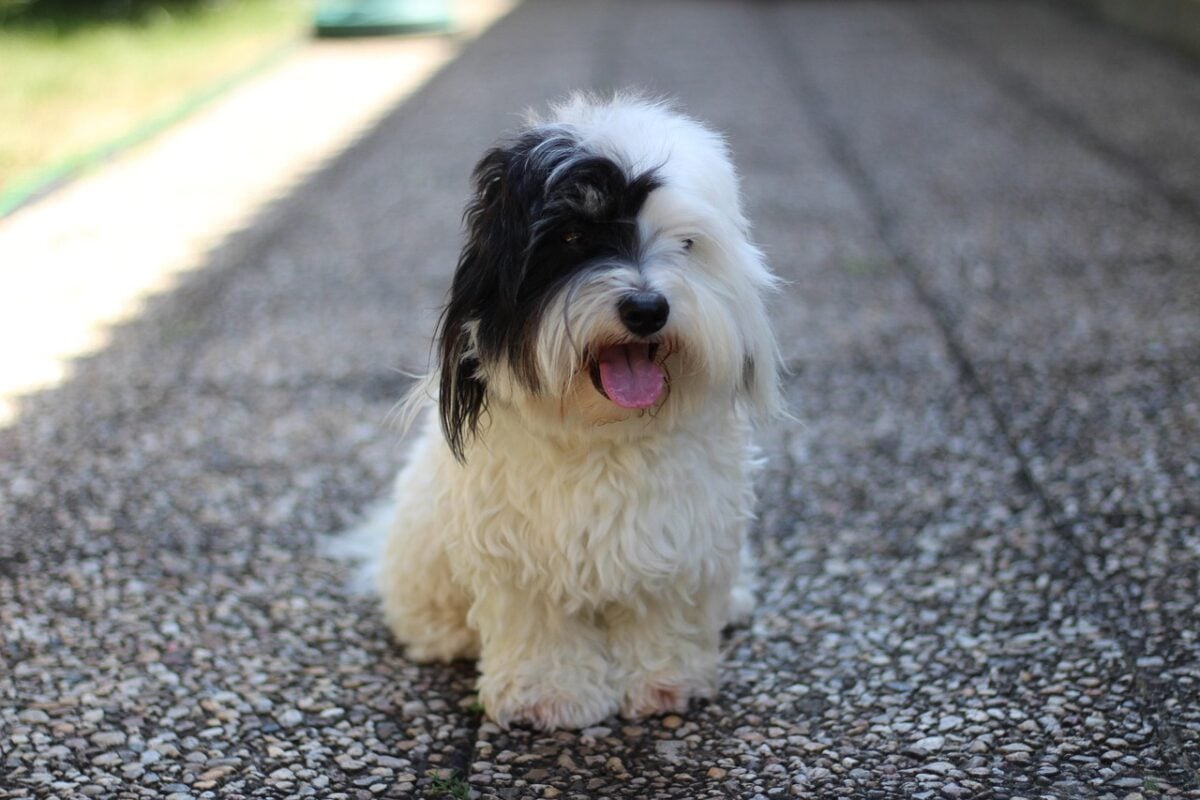
They’re slightly sturdier than some toy breeds, which can make them easier to handle day to day.
At A Glance:
- Personality: Happy, bright, loyal
- Energy Level: Moderate
- Grooming Needs: Moderate to high
- Social/Adaptability: Adaptable and very people-oriented
- Family Life: Good with families, visitors, and other pets
- Best For: Someone who wants a playful, affectionate companion
Did You Know? Coton de Tulears are often described as classic “velcro dogs.“ They form strong bonds with their people and love to stay close throughout the day.
14. Brussels Griffon
Brussels Griffons are deeply attached to their person. They’re expressive, attentive, and thrive on close companionship.
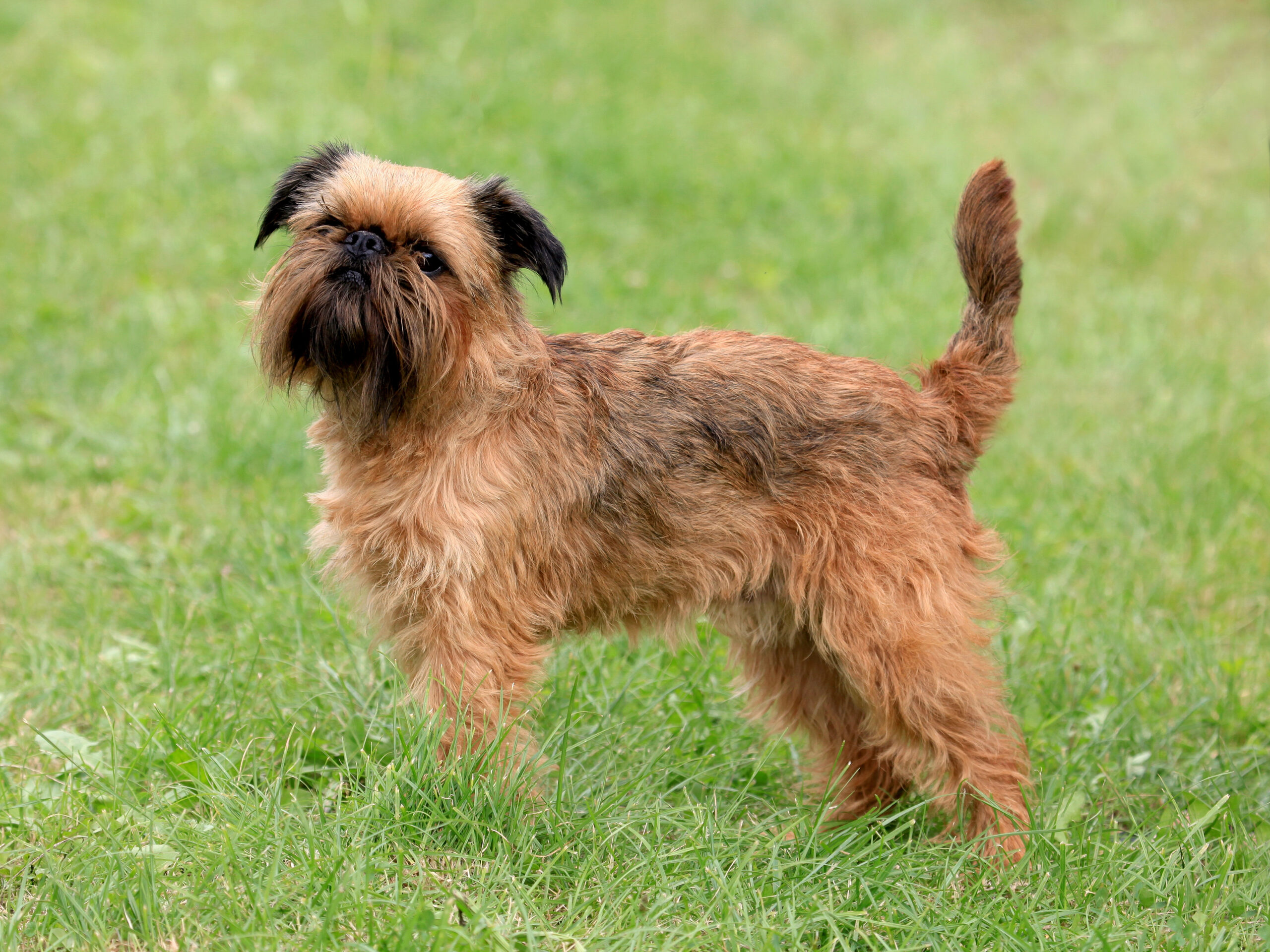
They’re small and full of personality.
At A Glance:
- Personality: Loyal, expressive, sensitive
- Energy Level: Low to moderate
- Grooming Needs: Moderate
- Social/Adaptability: Strong one-person bond
- Family Life: Best in smaller households
- Best For: Someone who wants a deeply bonded companion
15. Italian Greyhound
Italian Greyhounds offer a similar temperament to Greyhounds in a much smaller package. They’re affectionate and love being close to their person.
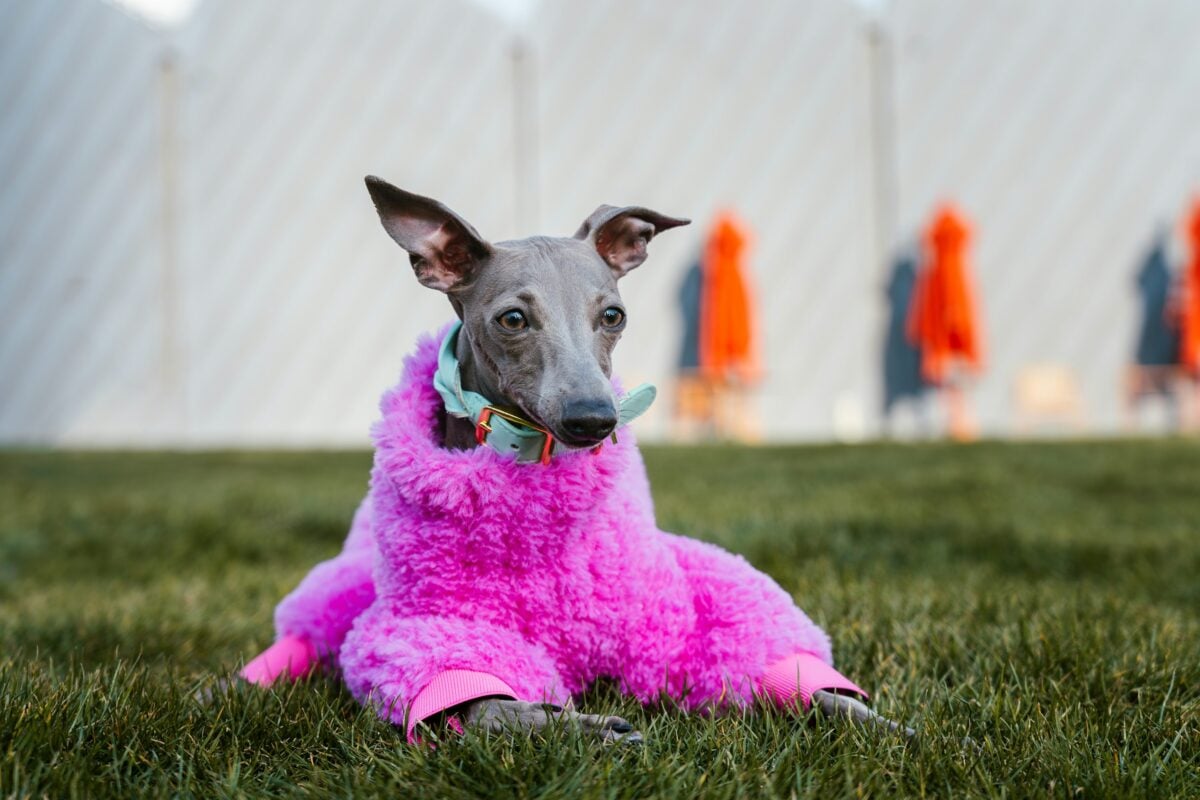
They do require gentle handling and a bit more care due to their size.
At A Glance:
- Personality: Playful, alert, sensitive
- Energy Level: Moderate
- Grooming Needs: Very low
- Social/Adaptability: Open to strangers and adaptable to new environments
- Family Life: Best in calm environments, good with other dogs
- Best For: Someone who wants a small, close companion
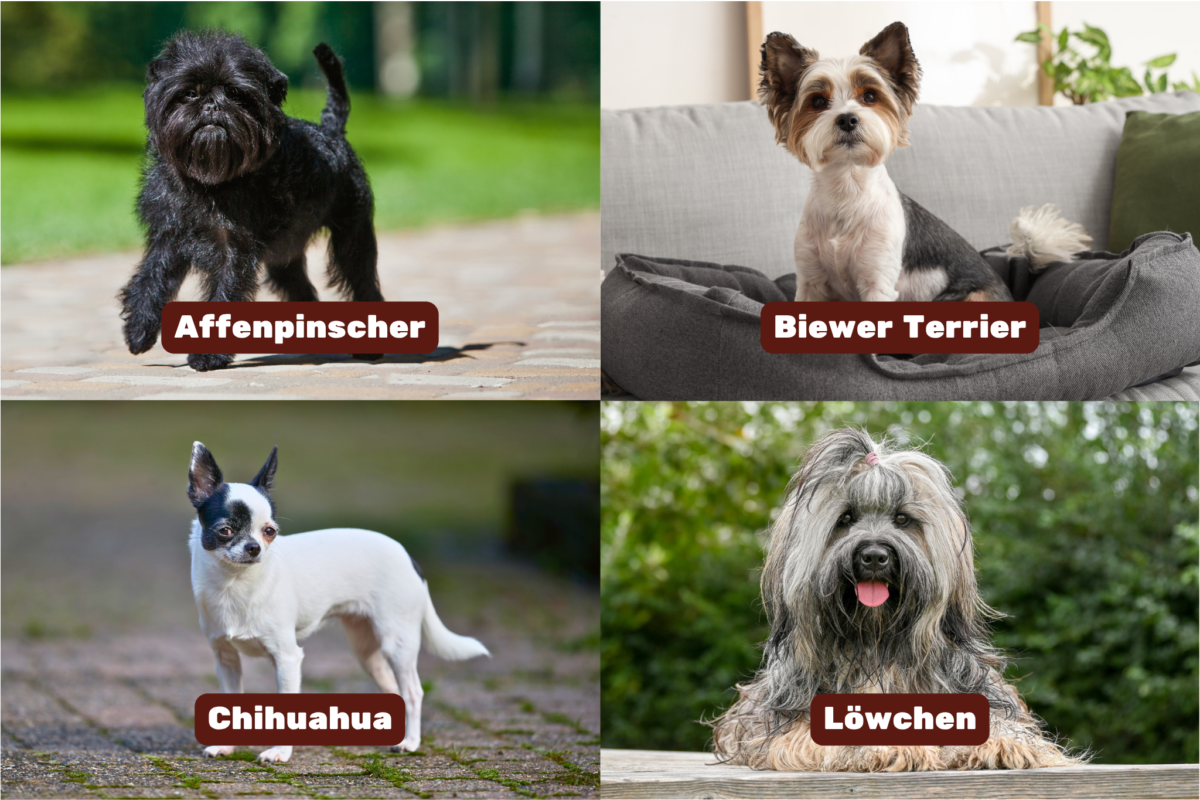
More Close-Companion Dogs To Consider
- Affenpinscher — confident, quirky, and very attached to their person
- Biewer Terrier — affectionate, playful, and thrives on attention
- Chihuahua — deeply loyal and strongly bonded to one person
- Löwchen — playful, people-focused, and loves being involved
Before You Choose: What Makes A Dog A Good Fit For Your Life
The best dog for you isn’t about age; it’s about how well a dog fits into your daily routine. A breed that feels “perfect” on paper can quickly become overwhelming if it doesn’t match your energy, space, or expectations.
These are the five factors that matter most.
1. Energy Level (How Much Daily Activity You Actually Want)
Some dogs are content with short walks and long naps. Others need consistent movement and stimulation to stay happy.
Be honest about your routine. If you prefer a slower pace, a low-energy dog will feel easier to handle. If you enjoy getting out every day, a more active dog can add structure and motivation.
2. Grooming & Upkeep (How Much Maintenance You’re Willing To Handle)
Coat type makes a big difference. Some dogs need regular brushing, trims, or professional grooming, while others are closer to “wash and go.”
This is one of the most common surprises for new owners. Low shedding doesn’t always mean low maintenance.
3. Trainability (How Easy It Is To Live With Them Day To Day)
Some dogs pick up routines quickly and respond well to basic training. Others are more independent or stubborn, which can require more patience.
If you want a smoother experience, look for breeds that are eager to please and easy to guide.
4. Size & Handling (What Feels Comfortable To Manage)
Size isn’t just about space — it’s about control, lifting, and everyday handling.
- Smaller dogs are easier to pick up and transport
- Larger dogs can be gentle, but may be harder to manage physically
Think about what feels realistic for you, especially in the long term.
5. Health & Vet Needs (What Comes With The Breed)
Every breed has potential health considerations. Some require more proactive care, more frequent vet visits, or come with higher long-term costs.
Planning Ahead: Should Seniors Consider Pet Insurance?
Veterinary care has advanced significantly in recent years, which is wonderful for dogs, but it also means costs can add up quickly. Pet insurance can help make those expenses more manageable by reimbursing a portion of eligible veterinary bills related to accidents, illnesses, diagnostics, and long-term treatment.
For seniors living on a fixed or predictable income, this kind of planning can provide peace of mind and reduce financial stress when unexpected health issues arise.
Many people choose to enroll their dog in pet insurance early, before any conditions develop that could be considered pre-existing. That way, coverage is in place if and when it’s needed most. Some plans also offer optional wellness coverage to help with routine care, such as exams, vaccines, and preventive treatments.
Learn more in our guide to the best pet insurance for dogs and get a free quote using the form below.

Best Dog For Your Lifestyle
Still deciding? The breeds above are grouped by overall lifestyle, but sometimes it helps to focus on a specific priority.
Whether you want a quiet home, an easy routine, or a dog that stays close, these quick picks make it easier to narrow down your choices. Start with what matters most to you, and you’ll narrow your options much faster.
I Want A Calm, Quiet Home
- Greyhound — famously quiet and calm indoors
- Japanese Chin — gentle and not overly vocal
- Tibetan Spaniel — calm and not overly reactive
- Italian Greyhound — quiet and sensitive
I Live In A Smaller Space
- Maltese — small, adaptable, and low exercise needs
- Havanese — flexible and well-suited for indoor living
- Bichon Frise — adaptable and friendly in smaller spaces
- Japanese Chin — thrives in quieter, compact homes
I Have Grandkids Around
- Cavalier King Charles Spaniel — gentle, affectionate, and naturally good with children
- Havanese — social and playful without being overwhelming
- Toy Poodle / Miniature Poodle — intelligent and adaptable, does well with family interaction
- Border Terrier — sturdy, good-natured, and better suited to a bit more activity
I Want A Dog That’s Easy To Train
- Toy Poodle / Miniature Poodle — highly trainable and responsive
- Miniature Schnauzer — learns quickly with consistency
- Havanese — cooperative and people-focused
- Boston Terrier — adaptable and responsive
I Want A Reason To Get Out Of The House
- Miniature Schnauzer — enjoys walks and routine
- Border Terrier — more active but still manageable
- Toy Poodle / Miniature Poodle — thrives with engagement
- Boston Terrier — playful but not overwhelming
- Cavalier King Charles Spaniel — flexible for light activity
I Want A Dog That Stays Close To Me
- Brussels Griffon — deeply bonded and attentive
- Maltese — classic lap dog attachment
- Italian Greyhound — sensitive and people-focused
- Coton de Tulear — affectionate and devoted
I Want Low Grooming
- Border Terrier — low grooming overall, though occasional hand-stripping helps
- Greyhound — short coat, minimal upkeep, one of the easiest large dogs to maintain
- Italian Greyhound — same low-maintenance coat in a smaller size
- Boston Terrier — low shedding and easy coat care
Did You Know?
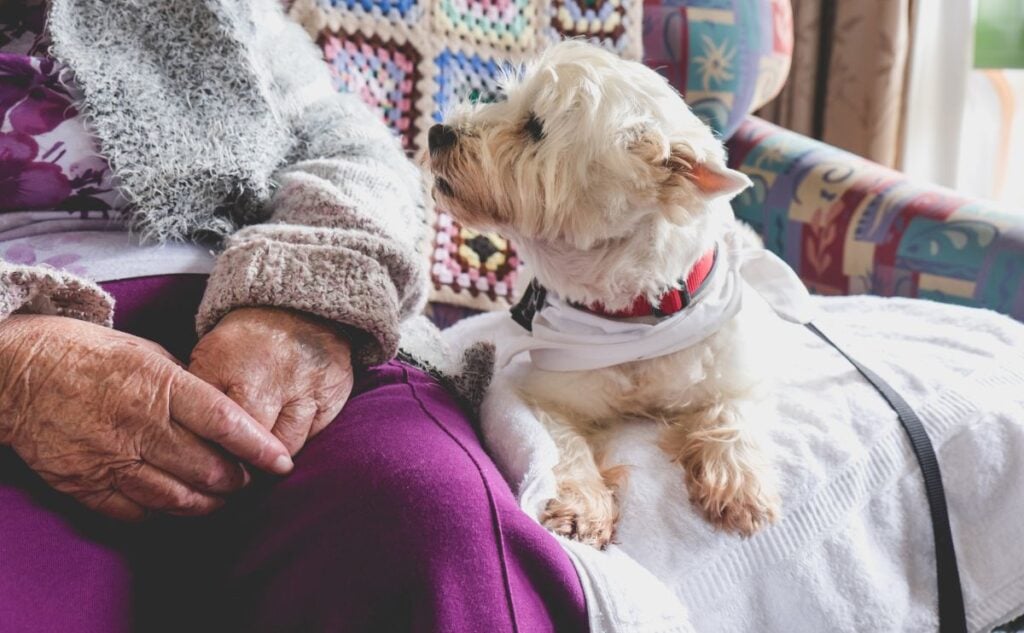
Research shows that interacting with pets can support both mental and physical health, helping reduce stress, lower blood pressure, and increase feelings of connection and emotional support.
For many seniors, a dog isn’t just a companion. It’s a steady presence in daily life — a source of routine, comfort, and unconditional connection.
These dogs are more than pets. They’re trusted confidants and steadfast friends who make each day a little brighter.
Reality Check: Popular Dogs That Aren’t Always The Easiest Choice
Some of the most commonly recommended “easy” dogs come with tradeoffs that don’t always show up until you’re living with them. That doesn’t make them bad dogs, but it does mean they’re not the right fit for everyone.
Here are a few worth taking a second look at before deciding.
1. Pug
Pugs are often described as low-energy and easygoing — which is true — but they can come with higher-than-average health needs, especially related to breathing and heat sensitivity.
They’re best for someone who:
- Is prepared for more frequent vet care
- Lives in a cooler environment
- Wants a very laid-back companion
Low energy doesn’t always mean low maintenance.
2. French Bulldog
French Bulldogs are incredibly popular for a reason: they’re affectionate, compact, and don’t require much exercise. However, Frenchies have serious health issues and a higher mortality risk compared to similar breeds.
They’re a better fit if you:
- Understand the health tradeoffs
- Are okay with potential long-term costs
- Want a dog that thrives indoors
Remember that purchasing from a reputable breeder can make a huge difference for your dog’s longevity and to reduce trips to the vet.
3. Chihuahua
Chihuahuas are small, portable, and low energy, but they’re not always as easy as people expect.
They can be:
- Protective or reactive
- Strongly bonded to one person
- Sensitive to handling
With proper training and socialization, they can be great companions, but they’re not automatically a “beginner” dog.
Frequently Asked Questions
Choosing the right dog isn’t always straightforward. These quick answers cover the most common questions people have when narrowing down their options.
Don’t see your question? Respond in the comments, and we’ll get back to you!
What Is The Best Dog For Seniors Overall?
There isn’t one “best” dog. If you want something easy and low-effort, breeds like Bichon Frise or Japanese Chin are great starting points. If you prefer something more interactive, a Miniature Schnauzer or Toy Poodle may be a better fit.
Are Small Dogs Better For Seniors?
Small dogs are often easier to handle, transport, and manage in smaller spaces, which makes them a great fit for many people. Breeds like the Maltese and Havanese are especially popular.
That said, some larger dogs — like the Greyhound — can be just as easy to live with due to their calm nature.
Should Seniors Get A Puppy Or An Older Dog?
For many people, an adult or senior dog is the better choice. Puppies require training, supervision, and a lot of energy, while older dogs are usually calmer and already house-trained.
If you’re looking for a more predictable, low-stress experience, adopting an older dog can be a great option.
What Is The Best Dog For Seniors Who Live Alone?
Dogs that bond closely and enjoy companionship tend to be the best fit. Breeds like the Brussels Griffon, Coton de Tulear, and Italian Greyhound are known for forming strong one-person connections.
What If I Don’t Want A High-Maintenance Dog?
Focus on breeds with lower grooming needs, moderate energy levels, and straightforward temperaments. Dogs like the Boston Terrier or Miniature Schnauzer are often easier to manage than they look on paper. Avoid choosing based on appearance alone.
Are There Any Dogs Seniors Should Avoid?
It’s less about avoiding specific breeds and more about understanding the tradeoffs. Some popular breeds are more demanding or require higher levels of care. For example:
- Golden Retrievers and Labrador Retrievers need consistent exercise and can be physically strong
- Dachshunds can be stubborn and prone to back issues
- Pugs, French Bulldogs, and English Bulldogs often come with ongoing health concerns
The goal isn’t to rule out certain breeds but to choose one that fits your daily routine without adding stress.
What Is The Best Guard Dog For The Elderly?
Beagles have a protective nature and an alerting bark that can work for a guard dog. Their size and energy level make them a more manageable choice for older people. They are naturally curious and attentive, which means they’re likely to notice unusual activity and alert you with their distinctive bark.
They’re also great companions, providing both security and emotional support. With their keen sense of smell and sharp instincts, a Beagle can be a reliable and loving addition to your home.
What Are The Best Small Hypoallergenic Dogs For Seniors?
The Toy Poodle is an excellent choice for the best small hypoallergenic dog for seniors. They have a curly coat that traps dander, reducing allergens in your home.
Beyond their hypoallergenic qualities, Toy Poodles are intelligent, trainable, and incredibly affectionate. They’re small enough to fit comfortably into any living situation and have adaptable energy levels, making them a fantastic choice for seniors looking for a loving and manageable pet.
Still Deciding? Start Here
If you’re still narrowing things down, these guides can help you take the next step:
- Looking for a dog that’s especially loving and people-focused? Explore the most affectionate breeds
- Living in a smaller space or want something apartment-friendly? See the best dogs for apartments
- Want to compare more options before deciding? Browse the ultimate dog breed guide
No matter which direction you go, the best choice is the one that fits your routine, your space, and the kind of companionship you want every day.